Featured
Table of Contents
At the very same time, they're eliminated from interruptions and unfavorable impacts in their everyday atmosphere. It's not clear how efficient these programs are. While a number of research studies have discovered that the treatment aided to reduce delinquency and improve actions, movie critics of wilderness treatment explain that much of this research is flawed.
Considering that the very early 1990s, even more than a lots teens have actually passed away while participating in wilderness treatment. Some adults that experienced a wilderness program as teenagers say they were left with enduring injury. While a couple of states manage wild treatment programs, there's no federal regulation or main licensing program to manage them.
What collections wilderness treatment apart is that it normally involves overnight stays a few nights to a few months outdoors in the elements. The teens generally reach wilderness treatment campsites walking after a long walking or by paddling bent on the site. "It's the exterior living and traveling component that identifies wild treatment from various other outside treatments," states Nevin Harper, PhD, a teacher at the College of Victoria and a licensed scientific therapist that specializes in exterior treatments.
Call with moms and dads and others outside the wilderness therapy camp is limited. Regarding half of youngsters arrive at wild treatment via involuntary youth transportation (IYT).
Therapeutic Dosing
Some people that have actually been through wilderness therapy say that the most terrible component of the program was this compelled elimination from home. Some state it seemed like a kidnapping. In a viral TikTok video, a female called Sarah Stusek, who was carried to wild treatment as a teen, defines 2 strangers coming right into her area at 4 a.m.

When she shrieked, she understood that her parents weren't involving conserve her. Academic evaluations of this method include similar descriptions. Harper states IYT can threaten the parent-teen partnership. "It kind of damages their connection with their moms and dads," Harper states. "They're taken against their will into these programs and not allowed to call their moms and dads by phone." Research study findings on the effect of spontaneous transportation are combined.
Other scientists have questioned about how the data in researches that discovered IYT had little impact was collected and evaluated. We require more and much better research right into this technique to obtain a far better understanding of its impact. Several teens that complete a wilderness treatment program do not go straight home later.
Research Evidence for PTSD therapy
These facilities consist of healing boarding colleges, which combine education and learning with treatment, and inpatient mental-health therapy programs. A 2016 post in the journal Contemporary Family members Treatment stated that wilderness therapists at Open Skies Wilderness Therapy advise that 95% of individuals take place to lasting residential therapeutic institutions or programs. The post also said that 80% of moms and dads take this referral.
It noted that the results differed. And since a lot of studies didn't consist of contrast groups, it's unclear whether these enhancements really resulted from wild treatment. Randomized, controlled scientific tests are thought about the gold criterion for research study. In this kind of study, scientists take a huge number of people that all have the very same problem as an example, teens that swipe compulsively and split them in 2 groups randomly.
Later, scientists figure out through clinical approaches whether one treatment was much more effective than the other. Instead, much research on the benefits of wilderness therapy programs is based upon entryway and leave surveys, called pre-tests and post-tests, that the youngsters themselves respond to at the start and end of their programs. These examinations are usually provided when the teens are at the camp and do not know when they'll be enabled to leave, Harper states.
Youngsters might take the tests when they're terrified, upset, or excited to leave, he says. Some youngsters don't take a pretest or a post-test at all, which indicates the effects of the treatment aren't being kept an eye on, he claims.
Discovering Psychedelic Therapy through PTSD therapy
Doubters have called this a dispute of rate of interest. Reps from OBHC didn't reply to ask for an interview. While wilderness therapy might aid some teens, it might harm others. A 2024 research in the journal Young people, co-authored by Harper, showed that youngsters are sent to wilderness therapy for a variety of factors varying from rebellious habits to finding out specials needs, substance usage, and major mental wellness problems.
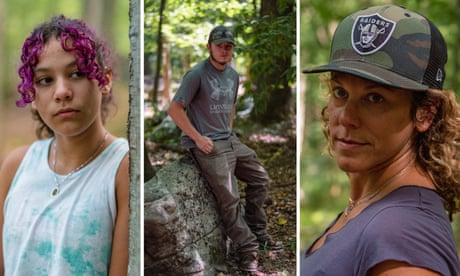
The research revealed that 1 in 3 teens sent to these programs really did not satisfy clinical criteria (called clinical requirements) for needing residential therapy. "These are kids that need to maybe just be getting some area counseling," Harper stated. And it revealed that 40% of those that really did not meet the clinical criteria showed no adjustment by the end of their program.
In an examination commissioned by Congress, the United State Federal Government Responsibility Office (GAO) discovered hundreds of records of abuse and disregard at wild programs from 1990 till the close of its probe in 2007. The issues it found included: Improperly qualified personnel membersFailure to provide sufficient food Reckless or irresponsible operating practicesImproper use restraintOne account in the GAO report explains a camp at which kids got an apple for morning meal, a carrot for lunch, and a dish of beans for supper during a program that needed extreme physical exertion.
The council has functioned to develop a certification procedure that consists of honest, threat management, and treatment criteria. The Partnership for the Safe, Therapeutic and Suitable Use of Residential Therapy (A-START), a campaigning for group, says it continues to listen to accounts of abuse from teenagers and parents. In many cases, teenagers have passed away while participating in wilderness treatment programs.

Latest Posts
Understanding Path of Relational Growth in Trauma-Informed Therapy
Rebuilding Closeness Beyond Relationship Crisis with Art Therapy
Transforming Inherited Trauma